 By Jon Paul Hoornstra0ShareNewsweek is a Trust Project memberSee more of our trusted coverage when you search.Prefer Newsweek on Googleto see more of our trusted coverage when you search.
There's no denying that payroll and winning have a strong correlation in Major League Baseball.
Every World Series champion since 2018 has ranked in the top 10 when accounting for luxury taxes;
Read More on MLBMunetaka Murakami Injury Exit Could be Bad News for White Sox3 min read Former Phillies, D-Backs, Mariners Infielder Retires Immediately at 303 min read
 MLB Punishes Brewers Pitcher For Allegedly Obscene Gesture3 min read
Based on how the league is attempting to sell the merits of its salary cap proposal to the MLB players' association, it would be tempting to believe the correlation is a perfect 1-to-1.
View this post on X
"Our payroll gap from top to bottom is $446 million," commissioner Rob Manfred told Pat McAfee on May 27. "That's not a fair fight. The numbers really bear out that it's not a fair fight. If you have a high payroll, you're much more likely to make the playoffs. If you have a high payroll, your chances of going to each of the successive rounds are massively higher than a low-payroll club."
Manfred was correct in pointing out that the Los Angeles Dodgers spent $446 million more on players, accounting for their Competitive Balance Tax penalty, than the Miami Marlins in 2025.
 ...
...But much of the Dodgers' $446 million payout — $169 million, per ESPN — were luxury-tax payouts that funded player benefits, retired-player pensions, and rival teams via revenue sharing.
The MLB Players Association has argued that more spending on player salaries by revenue-sharing recipients is a preferable measure for ensuring competitive balance. And one former general manager punctured a hole in MLB's argument that a salary cap is necessary.
More news: MLB Players Association Blasts League’s Salary Cap Proposal
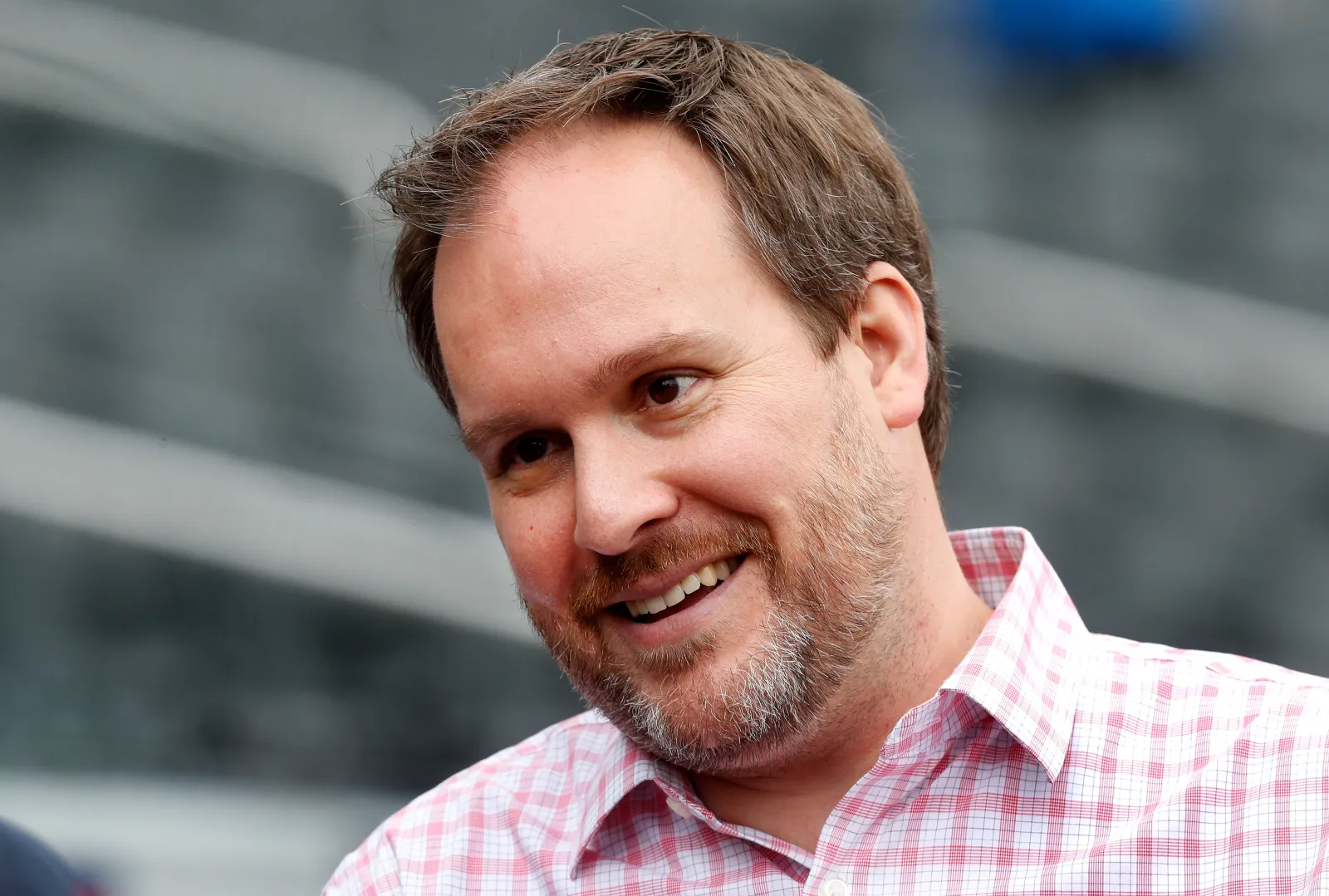
"Payroll explains about 1/3 of why teams win," Scott wrote on X. "The other 2/3 is the part the cap conversation isn't actually about."
View this post on X
"So what makes up the other 2/3?" Scott continued. "Four buckets, roughly in order of impact: Acquisition. Scouting, draft, trades, signings. Development. Turning B prospects into major leaguers. Governance. Owner alignment, who's in the room, how much runway baseball ops gets. Luck."
View this post on X
"A cap changes who's allowed to spend," Scott concluded. "It doesn't change the 2/3. If owners are selling this as competitive balance, the data doesn't really support the pitch. So what's the cap conversation actually about?"
The MLBPA has argued the cap conversation is a cover for owners who would prefer to pocket more of their baseball and non-baseball revenues than bid on free agents. Owners would obviously disagree.
Scott is nearly five years removed from his last job in MLB as the New York Mets' acting GM, and now negotiates contracts for baseball coaches and executives. He doesn't have a seat at the CBA negotiating table.
But he does have an impartial view of how money correlates with winning from his time with the Mets and Boston Red Sox. It's a more nuanced view than the one players or owners are likely to be pitching on the Pat McAfee Show — and likely closer to the truth than either extreme.
For more MLB news, visit Newsweek Sports.
View 0 Comments