 By Suzanne BlakeShareNewsweek is a Trust Project member
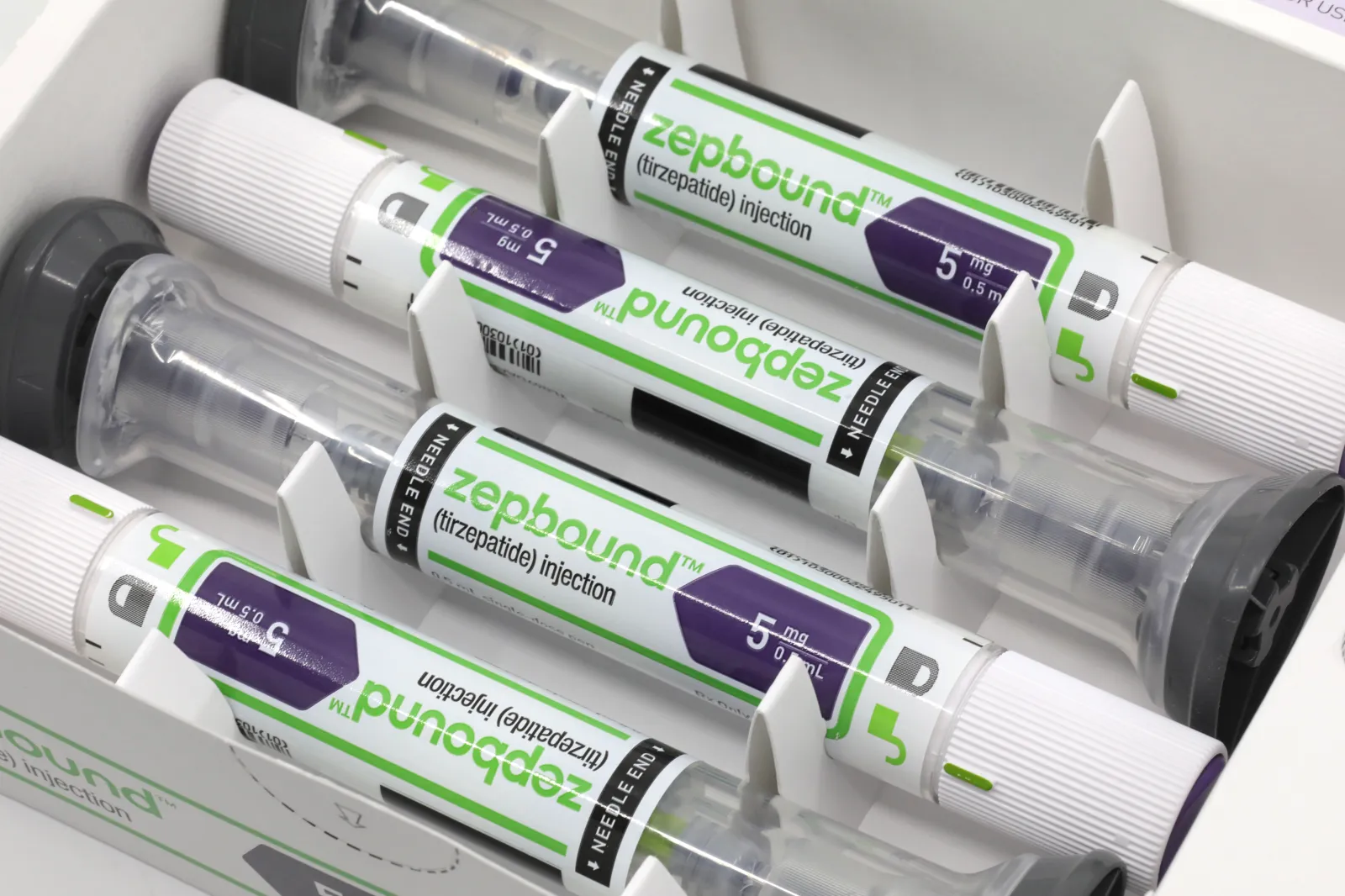
The CEO of drugmaker Eli Lilly said that Medicare’s coverage of Ozempic and other GLP-1s could have major impacts on weight loss treatment options.
Specifically, it will help Eli Lilly launch a brand new obesity pill, orforglipron.
Why It Matters
According to the Centers for Disease Control and Prevention, 41.9 percent of U.S. adults were obese from 2017 to 2020, and roughly 9.2 percent of U.S. adults fit the criteria for severe obesity.
GLP-1s, which help treat type 2 diabetes and can also help patients lose weight, have been a game-changer. With Medicare opting to cover the medication, more treatment options could be available, according to Eli Lilly CEO Dave Ricks’ recent comments.
 ...
...What To Know
As Medicare begins to cover obesity medication for the first time this year, it opens the door to Eli Lilly launching its new weight loss pill.
Ricks said Eli Lilly will have Medicare coverage "immediately following that launch, and that will change the game a bit too."
Currently, many patients pay upfront with cash for competitor Novo Nordisk’s GLP-1 Wegovy pill.
Ricks said he is confident that Eli Lilly’s pill will compete on that level, and a full launch is expected in the second quarter, timed with when Medicare begins covering the medication under new pricing deals between Eli Lilly and Novo and President Donald Trump.
Under the new rules, Medicare patients could pay just $50 per month in copays for their injectable and oral GLP-1 drugs.
"That opens up things pretty wide, and we'll see where we can go from there," Ricks said.
The CEO said he estimates somewhere between 20 million and 30 million Medicare beneficiaries are obese, so the new coverage is a "big multiplier on the eligible pool."
The Trump administration initially approved a five-year pilot program that would allow state Medicaid programs and Medicare Part D plans to voluntarily cover GLP-1 drugs for weight management last year.
A KFF analysis from last year found that Ozempic's U.S. list price was $936 a month, while Wegovy, which contains the same ingredient, costs roughly $1,349 a month in the U.S. This is nearly 9 times the cost of the drug in many other countries, KFF found.
What People Are Saying
Alex Beene, a financial literacy instructor for the University of Tennessee at Martin, told Newsweek: "The effects of GLP-1 medication have been heavily touted in recent years, but most of the marketing has been centered on working-age adults who are in different stages of life and find the health and appearance benefits of these drugs more desirable. Lost is the incredible effect that could have on Medicare recipients, as excessive weight is a leading indicator of numerous other health complications for that age group."
Drew Powers, the founder of Illinois-based Powers Financial Group, told Newsweek: "Putting the unknown long-term side effects of these drugs aside, this could be the magic pill for both weight loss and Medicare funding. Or maybe it’s already the poison pill. By recent reports, treating Type 2 diabetes costs Medicare over $35 billion per year, but nearly $25 billion of that spending is already for GLP-1s. Projections estimate Medicare beneficiaries using GLP-1s could cost over $100 billion in the next year. Will these drugs help patients lose weight and reverse their diabetes, thereby saving Medicare spending in the long run? Or will they be a life-long prescription that continues to cost an already-strained system? Only time will tell."
What Happens Next
While the expanded coverage of GLP-1s is likely to have considerable health effects in terms of improving obesity levels in America, doctors still warn patients about side effects, including severe gastrointestinal issues, abdominal pain and acid reflux.
"Opening up Medicare coverage to these products could go a long way in alleviating some of these complications, but of course, the potential medications would need to be approved and mitigate widespread side effects," Beene said. "If done properly, it would be a boom for both Medicare recipients and the drugmakers producing these medications."
Request Reprint & LicensingSubmit CorrectionView Editorial & AI Guidelines Add Newsweek as a preferred source on Google to see more of our trusted coverage when you search.
Related Podcasts
Top Stories
 NewsSenate Passes Funding Package After Trump Immigration Enforcement Deal2 min read
 NewsCatherine O’Hara, Known for ‘Home Alone’ and ‘Schitt’s Creek’, Dead at 714 min read
 NewsDonald Trump Allegations in New Epstein Files Release: Read in Full7 min read
 For MembersNews‘Long For Change But Fear War’: Iranians Brace for US Attack15 min read
 NewsDon Lemon Arrested Over Anti-ICE Protest at Minnesota Church7 min read
 For MembersNewsUncommon Knowledge: Why Fat Polar Bears Are Trump’s Climate Ambassadors4 min read
Trending
 WeatherOld Farmer’s Almanac Predicts February Weather in Each State5 min read
 College FootballSad News Surfaces on Famed Notre Dame Coach Lou Holtz3 min read
 phoneWoman Accidentally Takes Pocket Photo—Internet Shocked by What’s Captured3 min read
 US PoliticsJasmine Crockett’s Chances of Beating James Talarico in Texas Primary—Poll6 min read
 TaxTaxpayers Issued Warning For 2026 IRS Filing Season4 min read
Opinion
 OpinionTrump Awards Don Lemon Journalism’s Highest Honor | Opinion4 min read
 OpinionCongress Can Make Shutdowns a Thing of the Past | Opinion6 min read
 OpinionWho Is the Real Kanye West? | Opinion5 min read
 OpinionIs Saudi Arabia Drifting Away From the U.S.? | Opinion5 min read
 OpinionThe Rise of the New Confederacy5 min read